
The current customer experience and lifestyle are being significantly shaped by digital marketing. It influences not only what we purchase in 2025, but also how we think, what we value, and how we engage with services, businesses, and even each other. Digital marketing permeates every aspect of our daily lives, from social media advertisements to AI-driven suggestions, in both little and major ways.
Personalized Consumer Experience
One of the most visible impacts of digital marketing is the rise of personalization.- AI-driven algorithms tailor advertisements, product suggestions, and content to each individual based on their online behavior.
- E-commerce platforms recommend items you’re likely to want, making shopping faster and more efficient.
- Email and social media campaigns target users with relevant promotions at the right time.
Instant Access to Information and Offers
Digital marketing has revolutionized the way people discover new products and services.- Search engine optimization (SEO) ensures that users find answers quickly through Google or Bing.
- Influencer marketing allows individuals to learn about products from trusted voices on platforms like Instagram, TikTok, and YouTube.
- Sponsored content and native ads provide seamless product recommendations without interrupting user experience.
Economic Empowerment and Entrepreneurship
Digital marketing tools have empowered individuals and small businesses to enter the market without needing massive budgets.- Social media platforms offer low-cost advertising with global reach.
- Freelancers and creators can build personal brands and monetize content through platforms like Substack, Etsy, or Patreon.
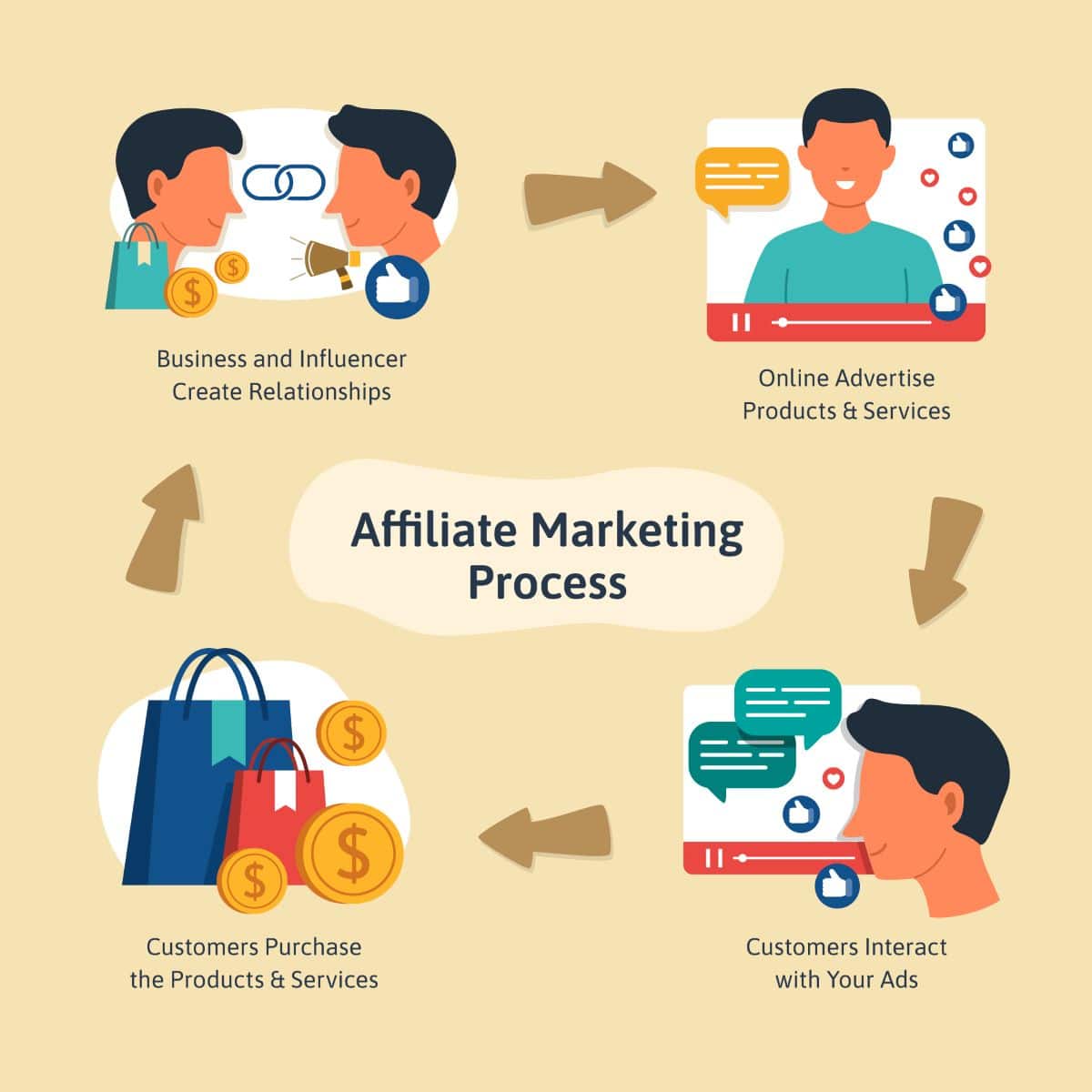
- Affiliate marketing gives everyday users a chance to earn commissions by promoting products online.
Behavioral Influence and Lifestyle Trends
Digital marketing goes beyond selling—it influences cultural norms and lifestyle choices.- Health, fashion, and tech trends spread quickly through targeted campaigns and viral content.
- Eco-conscious and ethical brands use marketing to promote sustainability and social responsibility.
- Fitness apps and food services use personalized messaging to encourage healthier living.
Instant Feedback and Consumer Empowerment
Consumers today are not just passive recipients of marketing—they’re active participants.- Social media reviews, comments, and likes give individuals a voice that brands pay close attention to.
- Online surveys and chatbots allow for real-time interaction between users and companies.
- Brand transparency and accountability are now demanded by informed consumers who expect ethical marketing.
Challenges and Ethical Considerations
While the impact of digital marketing is largely positive, it also raises important concerns:- Data privacy: Consumers often don’t know how much of their data is collected or shared.
- Ad fatigue: Overexposure to targeted ads can lead to desensitization or mistrust.
- Digital manipulation: Sophisticated strategies can sometimes blur the line between persuasion and exploitation.
